

By Olivia Johnson
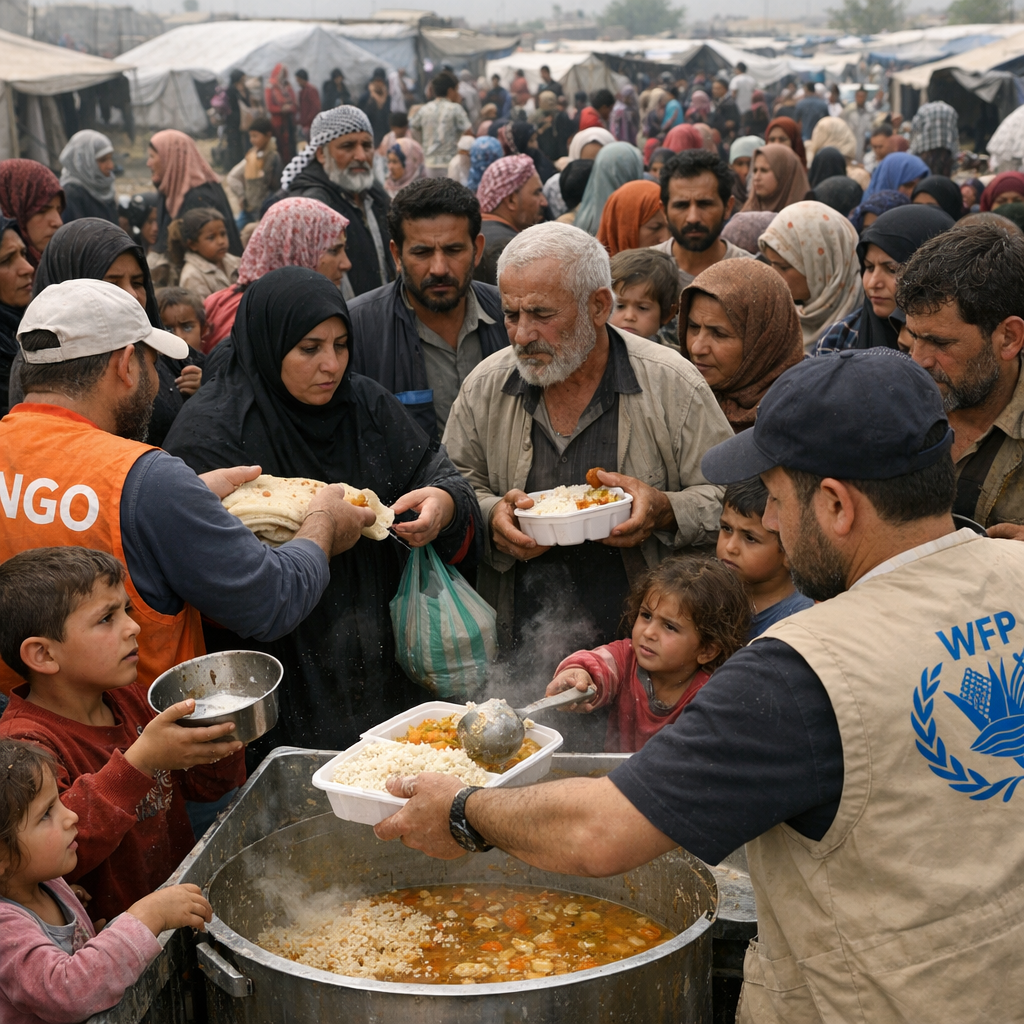
In recent reports from United Nations agencies and global humanitarian organizations, two stark and interconnected trends stand out: hunger and forced displacement remain at troublingly high levels worldwide. While modest progress has been made, experts say much more must be done to avoid slipping backward—and to bring these crises under control by the 2030 goals many countries have pledged.
Progress Tempered by Fragility
The 2026 State of Food Security and Nutrition in the World (SOFI) report shows that global hunger eased for a third year in a row during 2025. About 645 million people—around 7.8% of the global population—faced hunger last year, down from higher percentages in prior years. Despite this, the improvements are uneven. Africa continues to feel the greatest burden in both absolute numbers and rates of hunger. And gains in Latin America, Asia, and other regions mask deeper problems.
Acute Threats Still Loom
Meanwhile, nearly 266 million people are facing acute food insecurity—levels of hunger so severe they threaten lives if unresolved. Wars, weather extremes like droughts and flooding, rising fertilizer and fuel costs, along with disruptions in supply chains, are all driving the crisis across many countries.
Forced Displacement: A Growing Global Reality
As of the end of 2025, more than 117 million people—refugees, asylum-seekers, and internally displaced persons—were uprooted by conflict, persecution, or disaster. Roughly 41.6 million are refugees under UN protection, with additional millions displaced within their own countries. These numbers represent one of the highest displacement totals recorded.
The Chains Between Hunger and Displacement
The overlap between displacement and hunger is severe. Conflict zones often see interrupted food production and distribution; displaced populations face barriers to accessing work, land, or shelter. And when climates worsen—like during El Niño phenomena—effects multiply, disrupting farming and driving food price volatility. Reduced funding to humanitarian and development programs further hampers response efforts.
What Can Be Done
Experts point to several strategies that could help countries and international bodies respond more effectively:
- Scaling up social protection programs to reach the most vulnerable, especially in rural and conflict-affected areas.
- Boosting investments in climate-smart agriculture and resilient supply chains to buffer against weather extremes.
- Increasing humanitarian funding and ensuring efficient delivery, avoiding delays and bureaucratic barriers.
- Strengthening frameworks for cooperation among nations—especially related to trade, energy, adaptation, and disaster risk reduction.
For communities in Fridley and beyond, global food security and displacement may feel distant—but the ripple effects reach us too. Higher grain prices, tighter global supply chains, climate shocks, and humanitarian migration all influence economic and social landscapes. Staying informed—and calling for compassionate, informed policy—are ways we each can help meet these worldwide challenges.